Warehouse managers obsess over pick rates, inventory accuracy, and labor costs. But few give pallets the attention they deserve — even though poor pallet management can silently drain efficiency across your entire operation.
1. Standardize Your Pallet Size
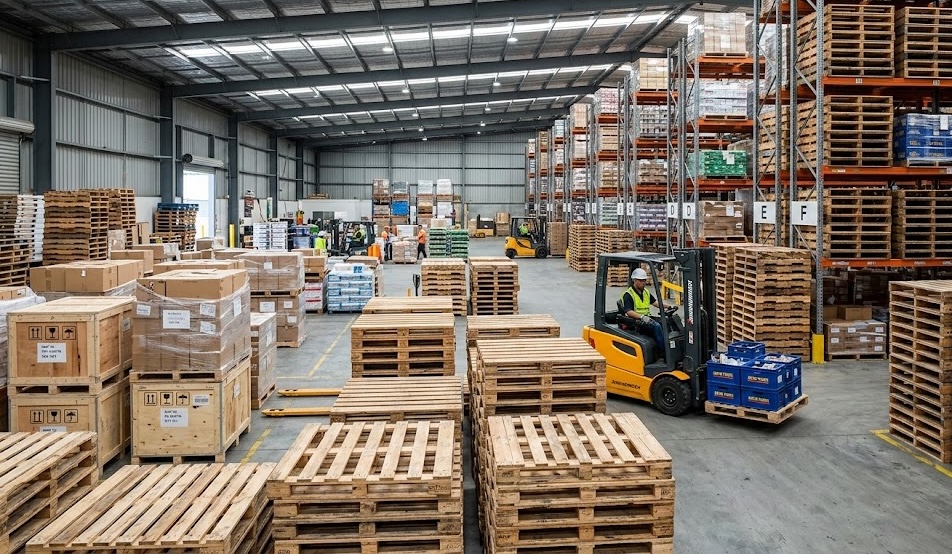
If your warehouse uses three different pallet sizes, your racking, trailers, and workflows can't be optimized for any of them. Wherever possible, standardize on one size. For most North American operations, that's 48×40". Reduced variety means faster picking, better space utilization, and fewer forklift adjustments.
2. Grade Your Incoming Pallets
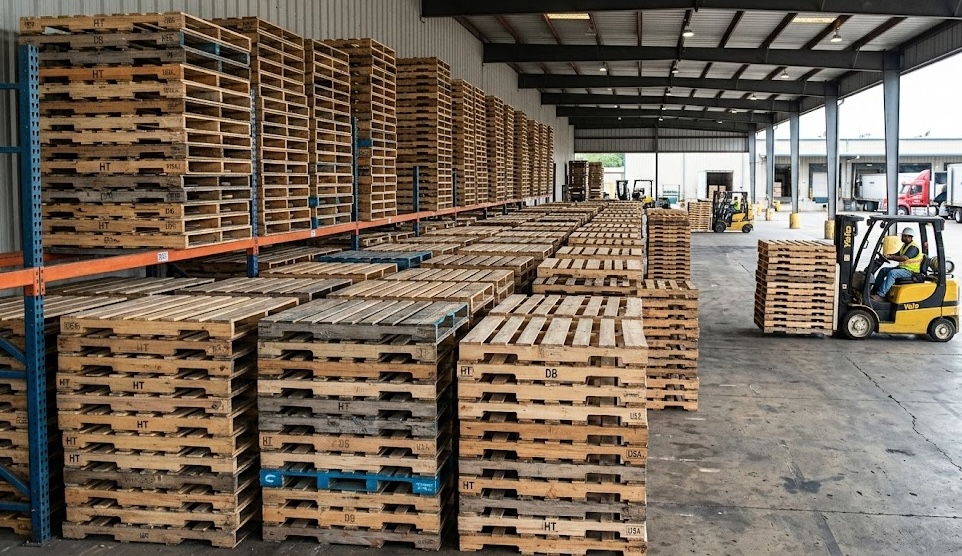
Not all pallets are created equal, and sending a Grade C pallet to an automated pick line is asking for a jam. Implement a simple incoming grading process: Grade A goes to high-demand and automated areas, Grade B to standard storage, and Grade C to outbound-only. This 30-second sort prevents costly disruptions.
3. Create a Pallet Staging Area
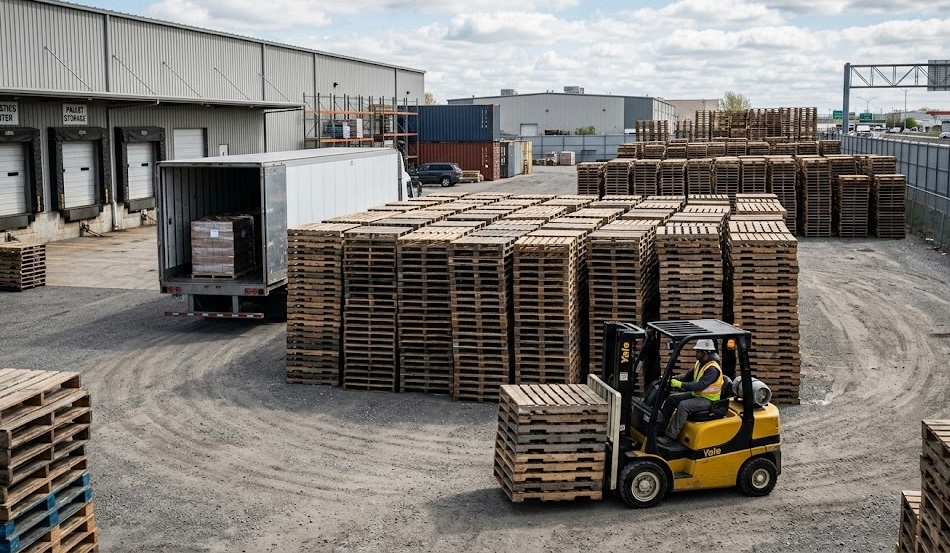
Empty pallets shouldn't be scattered across the warehouse floor. Designate a specific staging area near your loading docks. This reduces forklift travel time, keeps aisles clear for operational traffic, and makes it easy to count and manage your pallet inventory.
4. Implement FIFO for Pallets
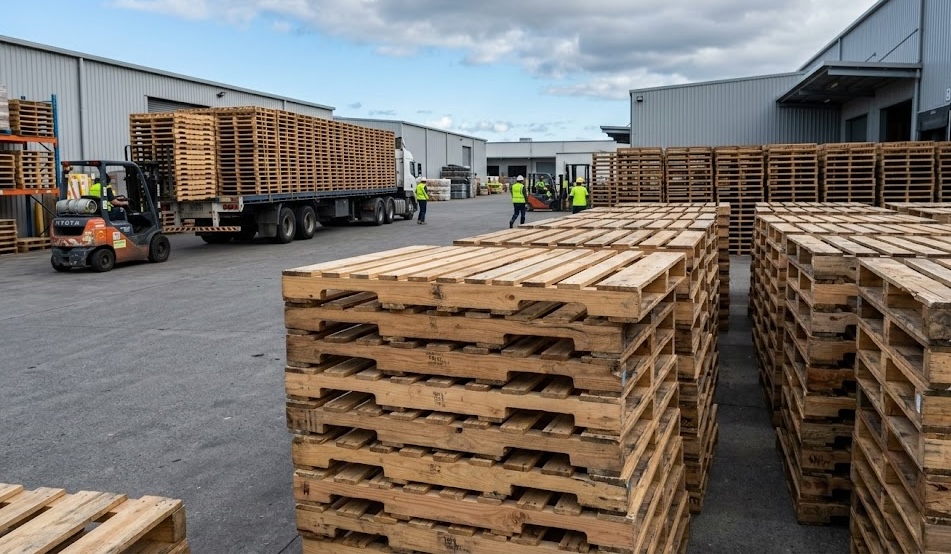
First In, First Out isn't just for inventory — it applies to pallets too. Use the oldest pallets first to prevent degradation from extended storage. This is especially important for pallets stored outdoors, where weather exposure reduces lifespan over time.
5. Right-Size Your Pallet Inventory
Too many pallets = wasted space. Too few = operational delays. Track your weekly pallet usage for a month, add a 20% buffer, and set that as your target on-hand quantity. With a reliable local supplier like Norwalk Pallets offering 24-48 hour delivery, you don't need to stockpile — just maintain a lean, responsive inventory.
The Compound Effect
Individually, these changes are small. Together, they can improve warehouse throughput by 10-15% and reduce pallet-related costs by 25-30%. Start with one, measure the impact, and build from there.